
High-speed servo tapping has revolutionized modern manufacturing by providing precise, efficient, and reliable threading solutions across multiple industries. Unlike traditional tapping methods, servo tapping offers enhanced accuracy, consistent torque control, and adaptability to a variety of materials. This advanced technology allows manufacturers to increase productivity while maintaining high-quality standards. Whether in aerospace, automotive, or medical device manufacturing, servo tapping plays a crucial role in producing durable and precision-machined components. Here are uses for high-speed servo tapping across different industries, highlighting its versatility and importance in modern production processes.
Automotive Manufacturing

The automotive industry relies on high-speed servo tapping to create precise threaded components used in engines, transmissions, and chassis assembly. High-strength fasteners are essential for securing various automotive parts, and servo tapping ensures consistent quality across large production volumes. The ability to control speed, depth, and torque makes it ideal for working with different materials, from aluminum to high-strength steel. With automation in automotive manufacturing, servo tapping seamlessly integrates into robotic production lines, reducing cycle times and improving consistency. The result is a streamlined manufacturing process that enhances vehicle safety and reliability while lowering production costs.
Aerospace and Aviation
In the aerospace sector, every component must meet stringent safety and quality standards. High-speed servo tapping is used to produce threaded holes in aircraft engine components, fuselage panels, and structural fasteners. The precision required in aerospace applications makes servo tapping an ideal choice, as it reduces the risk of thread deformation and material stress. Because many aerospace parts are made from titanium and composite materials, servo tapping’s ability to adjust speed and pressure ensures that threading does not compromise structural integrity. Aerospace manufacturers depend on this technology to meet industry regulations and maintain the highest levels of performance and safety.
Medical Device Manufacturing
Medical device production requires extreme precision, particularly for implants, surgical instruments, and diagnostic equipment. High-speed servo tapping allows manufacturers to create intricate threads in stainless steel, titanium, and medical-grade plastics without compromising quality. Medical components must be free of defects, as any flaw can impact patient safety. Servo tapping provides the controlled force needed to produce consistent threading, minimizing the risk of burrs or material distortion. This level of accuracy ensures that parts fit together seamlessly, contributing to the reliability and longevity of medical devices used in critical procedures.
Electronics and Semiconductor Manufacturing
As electronic devices become smaller and more complex, the need for precise threading in circuit boards and enclosures has increased. High-speed servo tapping is used to create secure connections for components such as heat sinks, casings, and mounting brackets. The electronics industry requires machining processes that minimize heat buildup and vibration to prevent damage to delicate circuits. Servo tapping delivers controlled, low-impact threading that ensures a perfect fit without affecting surrounding materials. This technology is essential for producing durable, high-performance electronic devices, from consumer gadgets to industrial control systems.
Industrial Machinery and Equipment
Heavy-duty machinery requires strong, precisely tapped threads to withstand high mechanical loads and vibrations. High-speed servo tapping plays a vital role in the production of industrial equipment, including hydraulic systems, conveyor belts, and robotic arms. The ability to adjust parameters such as speed and torque ensures that threading is optimized for different metals and alloys. By reducing cycle times and enhancing threading accuracy, servo tapping increases production efficiency while maintaining durability. Industrial manufacturers depend on this method to meet the high demands of modern machinery, ensuring long-term reliability in harsh operating conditions.
Renewable Energy Sector
The renewable energy industry, including wind, solar, and hydroelectric power, relies on high-speed servo tapping for assembling essential components. Wind turbine blades, solar panel mounts, and hydroelectric turbines require threaded connections that can withstand environmental stresses and mechanical forces. Servo tapping ensures precision and consistency in these high-strength applications, reducing the likelihood of failure in extreme conditions. As the demand for renewable energy grows, the need for efficient, reliable manufacturing techniques like servo tapping continues to increase. This technology supports the industry’s goal of producing durable, sustainable energy solutions with minimal maintenance requirements.
Construction and Structural Engineering
In construction and structural engineering, secure fastening is essential for assembling steel frameworks, bridges, and prefabricated structures. High-speed servo tapping produces strong, uniform threads in steel beams, aluminum panels, and reinforced concrete inserts. The ability to control tapping depth and speed ensures that threaded holes meet load-bearing specifications, preventing failure under stress. With advancements in modular construction, servo tapping has become a key technology for pre-drilled components, allowing for faster assembly on-site. This efficiency improves safety and reduces project timelines, making it an invaluable tool in modern construction practices.
Agriculture and Heavy Equipment Manufacturing
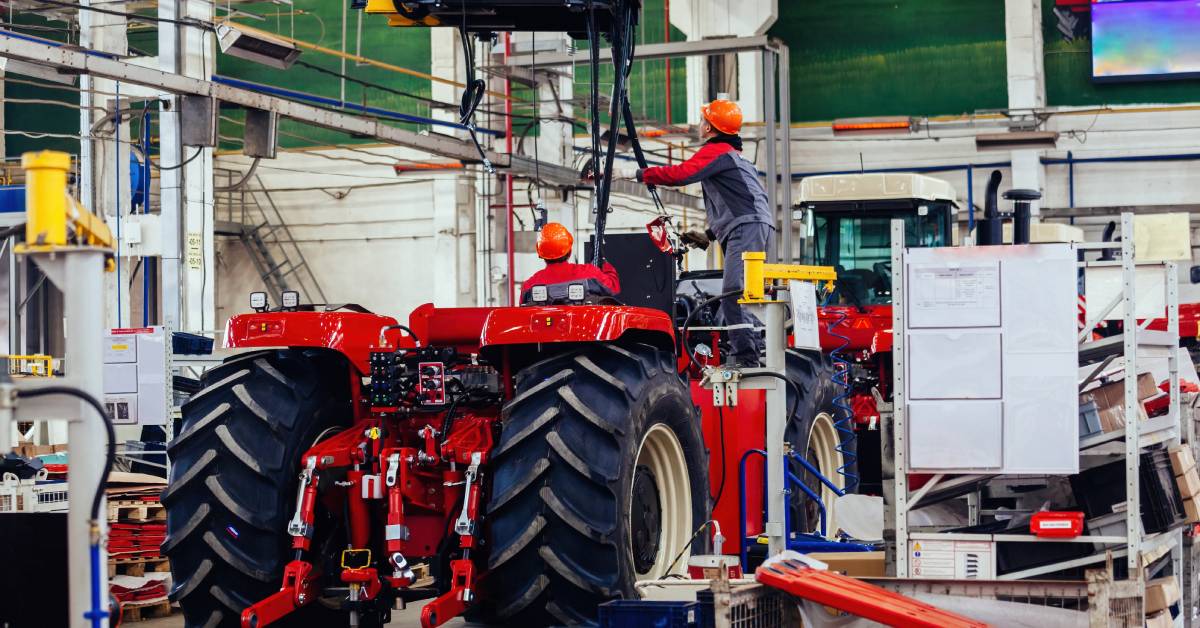
Farming machinery and heavy equipment must endure rugged environments and intensive workloads. High-speed servo tapping is used to manufacture threaded components for tractors, irrigation systems, and processing equipment. These machines require durable fasteners that maintain their integrity despite exposure to dirt, moisture, and extreme temperatures. Servo tapping ensures that bolts, screws, and fittings remain secure, reducing the risk of mechanical failure. By producing high-quality threads in robust materials like cast iron and alloy steel, this technology contributes to the long-term reliability of agricultural and industrial machinery.
Defense and Military Applications
The defense industry relies on high-speed servo tapping for manufacturing weapons systems, armored vehicles, and military-grade communication devices. Threaded components must meet strict specifications to ensure reliability in combat and harsh environments. Servo tapping allows for precise control over thread dimensions, ensuring compatibility with standard and custom military hardware. Given the high-stakes nature of defense applications, this technology ensures that equipment functions flawlessly under extreme conditions. Manufacturers in the defense sector depend on servo tapping to meet stringent durability and performance standards.
Marine and Shipbuilding Industry
The marine industry requires corrosion-resistant, high-strength materials to withstand the demands of ocean environments. High-speed servo tapping is used to produce threaded components for ship engines, hull structures, and offshore drilling platforms. The ability to tap threads in stainless steel, aluminum, and composite materials ensures that marine fasteners hold up against saltwater exposure and mechanical stress. Precision threading is critical for ensuring watertight seals and preventing equipment failure. As the maritime industry evolves, servo tapping continues to be a key technology in producing high-performance marine hardware.
Custom Tool and Die Manufacturing
Tool and die makers depend on high-speed servo tapping for creating precision-cut molds and dies used in metal stamping and injection molding. These tools must have accurate threading to ensure consistency in mass production. Servo tapping provides the repeatability needed for long production runs, reducing downtime and rework. This level of precision supports industries that require custom tooling, such as aerospace, medical device manufacturing, and electronics. By maintaining tight tolerances, servo tapping improves product quality and extends tool life.
Advancing High-Speed Servo Tapping Technologies
The continuous development of high-speed servo tapping is driving innovation in multiple industries. With improved automation, precision controls, and adaptive threading capabilities, manufacturers can increase efficiency while maintaining high-quality standards. This technology is revolutionizing how threaded components are produced, ensuring durability and consistency in various applications.
Now that you know these uses for high-speed servo tapping in various industries, it’s clear that this technology is essential for precision manufacturing. Whether in aerospace, medical devices, or automotive fabrication, high-speed servo tapping enhances efficiency, accuracy, and reliability.